

Is your sweet tooth running the show?


The Sugar Destroyer
If your sweet tooth has been calling the shots lately, you’re not alone. And it’s not about willpower.
Picture this. You chew a bitter green leaf for a minute, then bite into a chocolate bar. And… nothing. No sweetness. It tastes like cardboard.
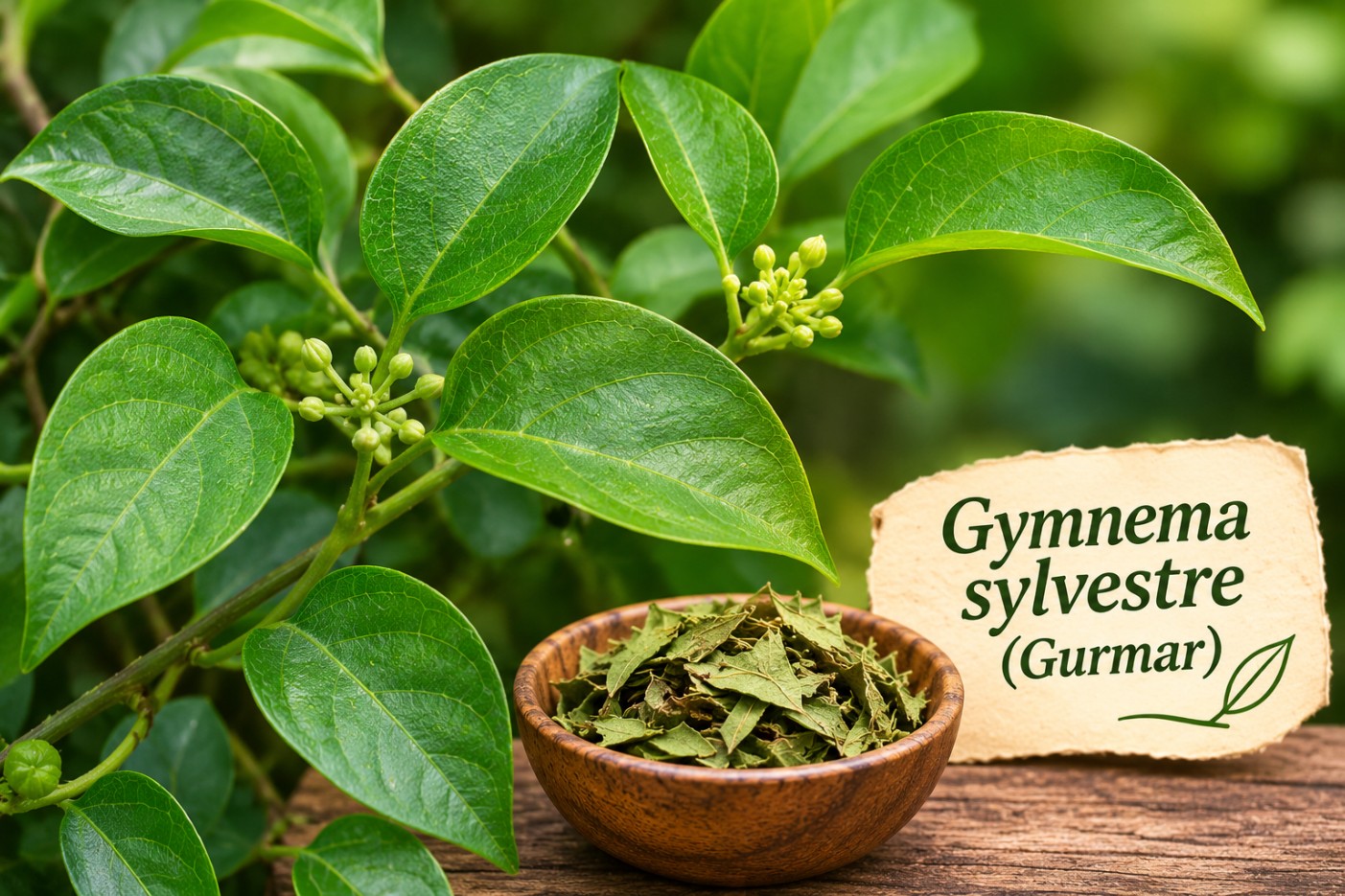
That leaf is Gymnema sylvestre. In Ayurveda, it’s called gurmar, which means “sugar destroyer”. It’s been used for centuries to steady blood sugar, and modern research is now showing us why. With Christmas parties, mince pies and end-of-year tiredness on their way, this is a good time to talk about it.
Why blood sugar matters, even if you’re not diabetic. Every time your blood sugar spikes and crashes, you feel it: the 3pm slump, the “hangry” mood, the late-night raid on the pantry. Over years, those spikes can add up to belly fat, high cholesterol, high blood pressure and rising blood sugar. Together, these are called metabolic syndrome, and they’re one of the biggest health issues of our time.
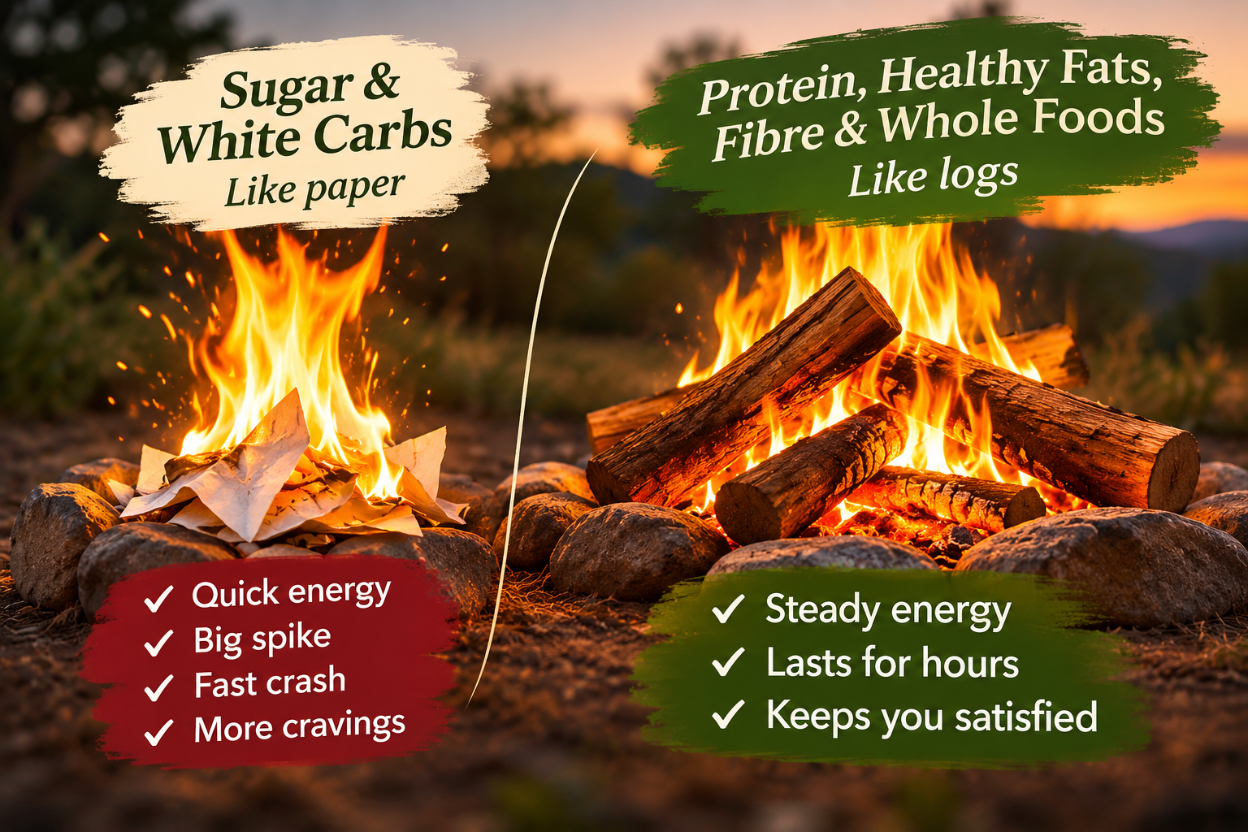
Think of your energy like a campfire. Sugar and white carbs are like throwing paper on the fire. You get a big, bright flare… and then it’s gone in seconds, and you’re scrambling for more paper. That’s the spike, the crash, and the craving that follows.
Protein, healthy fats, fibre and whole foods are the logs. They catch more slowly, but they burn steadily for hours and keep you warm. Most of us are running on paper by 3 pm. The goal isn’t to never enjoy a treat. It’s to build your fire on logs, so you’re not living from flare to flare
The one number worth knowing. Your HbA1c shows your average blood sugar over the last three months. It measures how much sugar has become “stuck” to your red blood cells, like a sticky residue that builds up when there’s too much sugar floating around. Sugar that sticks to proteins (called glycation) is linked to ageing and many chronic diseases. Lower is better.
The missing piece nobody checked. I see this in clinic all the time. Someone comes in with sore joints, burning or aching feet, a tummy that’s always bloated, and weight that’s crept on around the middle. They’ve seen doctors and specialists, and tried diets. But nobody has looked properly at their blood sugar.
When we do, we often find they’re borderline type 2 diabetes, or already there. And nobody ever told them.
Type 2 diabetes often develops quietly. Many people feel no obvious symptoms for years, so they never think to ask. But high blood sugar doesn’t stay in one place.
It can show up as:
- Pain, tingling, burning or numbness in the legs and feet
- Stiff, achy joints, including frozen shoulder and sore hands
- Digestive trouble: bloating, reflux, constipation or feeling full quickly
- Weight around the tummy that won’t shift
- Tiredness after meals, and sugar cravings
- Thirst, needing to wee more often, or getting up at night
- Cuts that heal slowly, or infections that keep coming back
- Blurry vision that comes and goes
If a few of these sound familiar, think of it like a smoke alarm going off in different rooms of the house. You can keep pulling out the batteries one room at a time, or you can go looking for the fire.
Your next step: ask for the right tests. A basic check-up doesn’t always include them. Ask your GP for:
- HbA1c (your 3-month blood sugar average)
- Fasting blood glucose
- Fasting insulin (this often rises years before blood sugar does
- A full lipid panel (cholesterol and triglycerides
Australian guidelines recommend a diabetes risk check every three years from age 40. You can do a free 2-minute check yourself with the government’s AUSDRISK tool. Then bring your results to us, and we’ll help you understand what they mean.
How the sugar destroyer works. If sugar is paper, gurmar is like damping down the flame, so your fire burns more evenly. It works in three places:
- On your tongue. It briefly blocks your sweet-taste receptors, so sweets taste flat for around 30–60 minutes. Less reward means fewer cravings.
- In your gut. It slows how much sugar you absorb from your meal, so you get less of a spike.
- In your pancreas. Early research suggests it supports the cells that make insulin.
The Ozempic connection (and what it really means). You’ve probably heard of Ozempic. It copies a hormone called GLP-1, which your gut releases after meals. GLP-1 helps release insulin, slows down your stomach and tells your brain you’re full.
Here’s a simple way to picture it. GLP-1 is a text message from your gut to your brain saying, “I’m full, thanks.” The trouble is, an enzyme called DPP-4 deletes that message within minutes, often before your brain has properly read it. Ozempic sends a message that won’t be deleted.
Lab and animal research suggests Gymnema may work more gently, by:
- Helping your gut write more messages (it boosts the building block for GLP-1)
- Slowing down the delete button (it may slow DPP-4, so your own GLP-1 lasts longer)
- Recruiting more messengers (it shifts the gut microbiome towards bacteria that naturally trigger GLP-1 release)
One honest note: Gymnema is not a natural Ozempic. It’s far gentler, and most of this GLP-1 research is from the lab, not people. But it’s a lovely example of a traditional herb working with your body’s own systems, rather than overriding them.
What the research means for you. Here’s what the human studies found, and what it might look like in your life:
- Steadier blood sugar. A 2021 review pooled 10 studies with 419 people with type 2 diabetes. Those taking Gymnema had lower fasting blood sugar, smaller after-meal spikes and a better HbA1c than when they started, with lower triglycerides and cholesterol too. For you: fewer energy crashes and a better 3-month number at your next blood test.
- Healthier heart markers. A 2023 review of 6 randomised trials in adults found Gymnema lowered triglycerides, total and LDL (“bad”) cholesterol, fasting blood sugar and blood pressure. For you: support for the numbers your GP watches most closely.
- Help if you’re on the edge. In a 12-week trial, adults with pre-diabetes taking Gymnema improved their glucose tolerance and insulin sensitivity, and almost half got their HbA1c back into the normal range. For you: if you’ve been told your sugars are “a bit high”, this is the window where changes count most.
- Gentle weight support. Weight loss in studies is modest, and shows up most in people who already have blood sugar or metabolic issues. Part of it seems to come from simply eating less sweet food. For you: it’s not a magic pill, but it can make it easier to say no to the second dessert.
The Ayurvedic view: it’s about Agni and Kapha. In Ayurveda, your digestive fire is called Agni, so the campfire isn’t just a metaphor. It’s how Ayurveda has always seen the body.
When there’s too much sweet, cold and heavy food, it’s like piling wet logs on the fire. The flame struggles, it smokes, and a sticky residue (Āma) builds up. That heavy, damp, slow energy is Kapha, and it’s often what sits behind sugar cravings and sluggish blood sugar.
Gurmar is bitter and astringent, the exact tastes that dry out the damp and help the fire burn clean. That’s why it’s traditionally used alongside a warm, simple diet and daily movement, not instead of them.
Whole herb or extract? Many supplements isolate one compound and concentrate it. Ayurveda prefers the whole herb, which keeps the plant’s natural blend of compounds (and even its own microbes) that may work together. If you’re choosing a product, ask your practitioner which form suits you.
Important: Who should check first? Because Gymnema lowers blood sugar, it can stack with diabetes medication (like metformin, gliclazide or insulin) and push your sugars too low. Signs include shakiness, sweating, dizziness and headache. There are also a few rare reports of liver problems.
Please don’t start it without guidance if you:
- Take any blood sugar medication or insulin
- Are pregnant or breastfeeding
- Have liver issues
- Have surgery coming up
We’ll look at your medications, bloods and digestion, then decide if it’s right for you, and work with your GP if your medication may need adjusting.
If your energy dips every afternoon, your sweet tooth is running the show, or your last blood test came back “borderline”, book a consult with one of our Ayurvedic doctors or practitioners, and let’s look at the whole picture.