
How To Choose The Best Exercise For Your Body Type

Ever wondered why some people can stay slim, fit, healthy and vitalised with just a gentle walking and yoga exercise routine, while others need something a whole lot more vigorous to reap the benefits? This is because the type of exercise that best suits your constitution depends on your individual body type.
If you’re exercising regularly and not feeling recharged, motivated to keep going, chopping and changing or not looking and feeling great, then chances are you’re not giving your body and mind what it needs here.
Ayurveda is based on the principle that there are three different body types, or dosha, and these are the energies that make up every individual. We all fall into one main category – vata, pitta or kapha – and this largely defines our nature, physical build, eating habits, vulnerability to certain illnesses and exercise best suited to us. If you don’t know your body type yet, take the test here.
For those who know their body type, here’s a guide for the best exercises suited to your particular constitution.
Vata
|
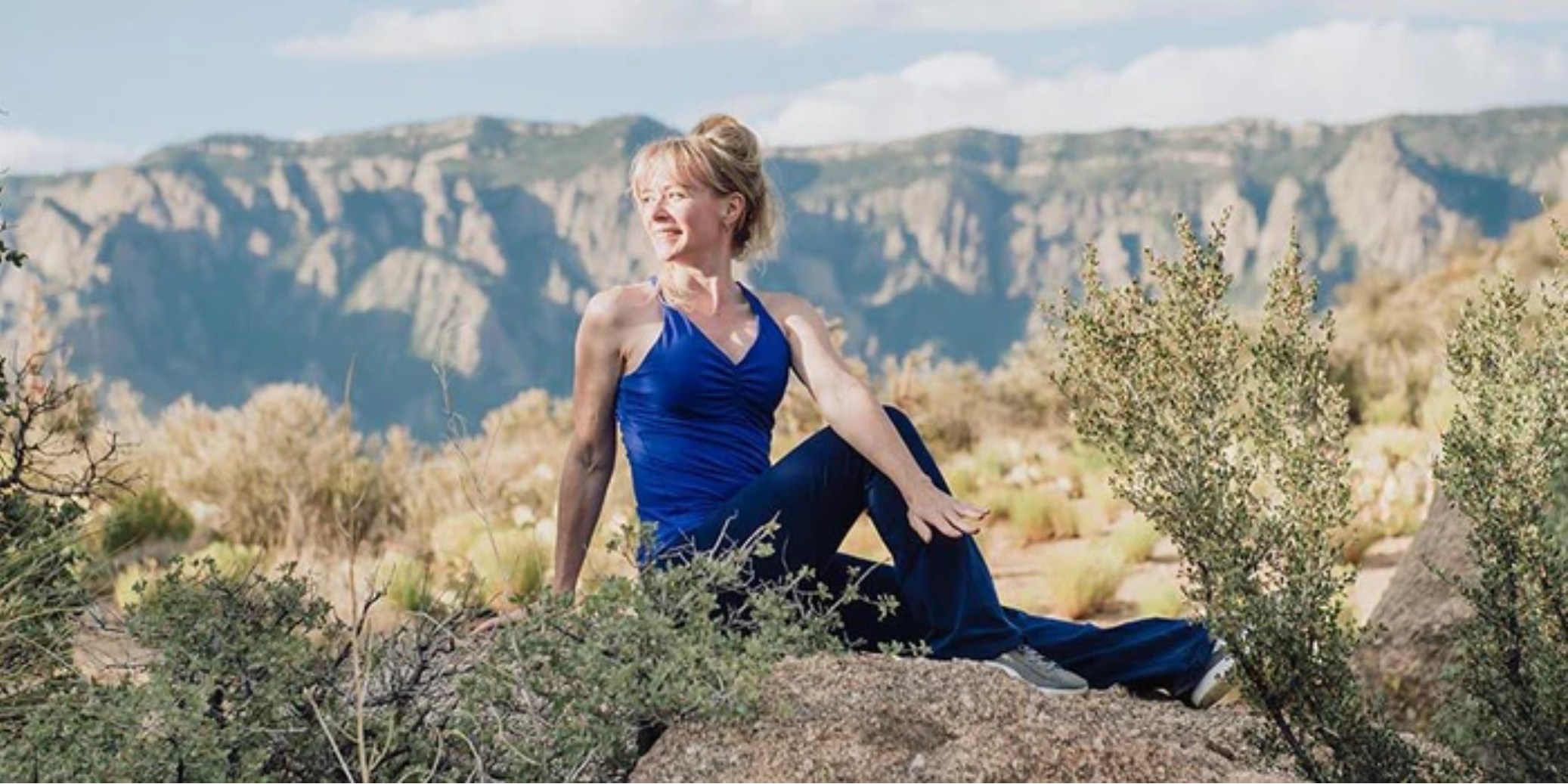
Associated with the elements of air or ether, vata body types often have long, thin frames, narrow shoulders and hips, as well as small, or petite, facial features. You’ll be quick-minded and creative, and often find it difficult to sit still, so you will do well with a varied exercise routine. When out of balance, you can suffer worry, anxiety and problems with your nervous system – maybe even insomnia. That’s why getting outdoors and a stabilising exercise routine is vitally important to you. Vata is the most fragile of the three doshas and can fall out of balance quickly, so you’ll do well to choose activities that connect you to the earth – better still, do it in a warm environment. The kinds of exercise routines that will help you thrive include: Bush walking: Getting out into nature will soothe your soul; even better, take off your shoes and feel the earth under your feet. This allows for quiet contemplation in a safe, nourishing environment. Early morning dew nourishes the kidneys, and according to traditional Chinese Medicine, there is a key kidney point on the sole of the foot. Martin Zucker, a leader in the research of earthing – or feeling the soles of our bare feet on the earth – says this can help everything from reducing inflammation to helping with neurological issues. Interestingly, though, he points out that “earthing yourself” – walking or sitting barefoot on grass, sand, gravel or unpainted concrete (ground surfaces that conduct energy) is different to surfaces that don’t conduct, such as wood, asphalt and plastic. He suggests spending at least half an hour or so on a surface that conducts, and you will notice you become calmer, and if you had felt pain, it would it would be less, or would perhaps even go away. Why not give this a try? Outdoor meditation and yoga: If you can’t do this practice outdoors, any type of meditation is going to add stillness and stability to your life. Naturally cold, vata’s do well exercising somewhere that is warm – ideally outdoors, absorbing the sun’s light and heat. If the weather is cold or windy outside, it’s much better for vata’s to retreat indoors. While you might enjoy vinyasa yoga classes, it might be too much movement. Vata is characterised by movement to avoid stiffness, but is balanced by the opposite, stillness and holding physical movements, so in this case, ashtanga yoga classes will suit you. With a changeable nature, vata will also do well with bicycling and dancing as it helps develop your strength, balance and agility. Just make sure to stop before you get to the point of exhaustion. |
Pitta
Pitta bodies are often toned, athletic, muscular and medium build and tend to gain weight evenly. You’ll often have trademark red or fair hair and a strong will and drive. Out of balance, you might have angry outbursts and struggle with feeling frustrated.
The 5000-year-old ancient practice of Ayurveda works on balancing opposites – if it’s a stinking hot day, the last thing you’ll want to do is sit around a blazing fire. So, if you’re a pitta personality, with the governing element of fire, it’s important to know how to keep cool both in temperature, personality – and in choosing what kind of exercise you will benefit from.
Here are the best exercises for pitta dosha:
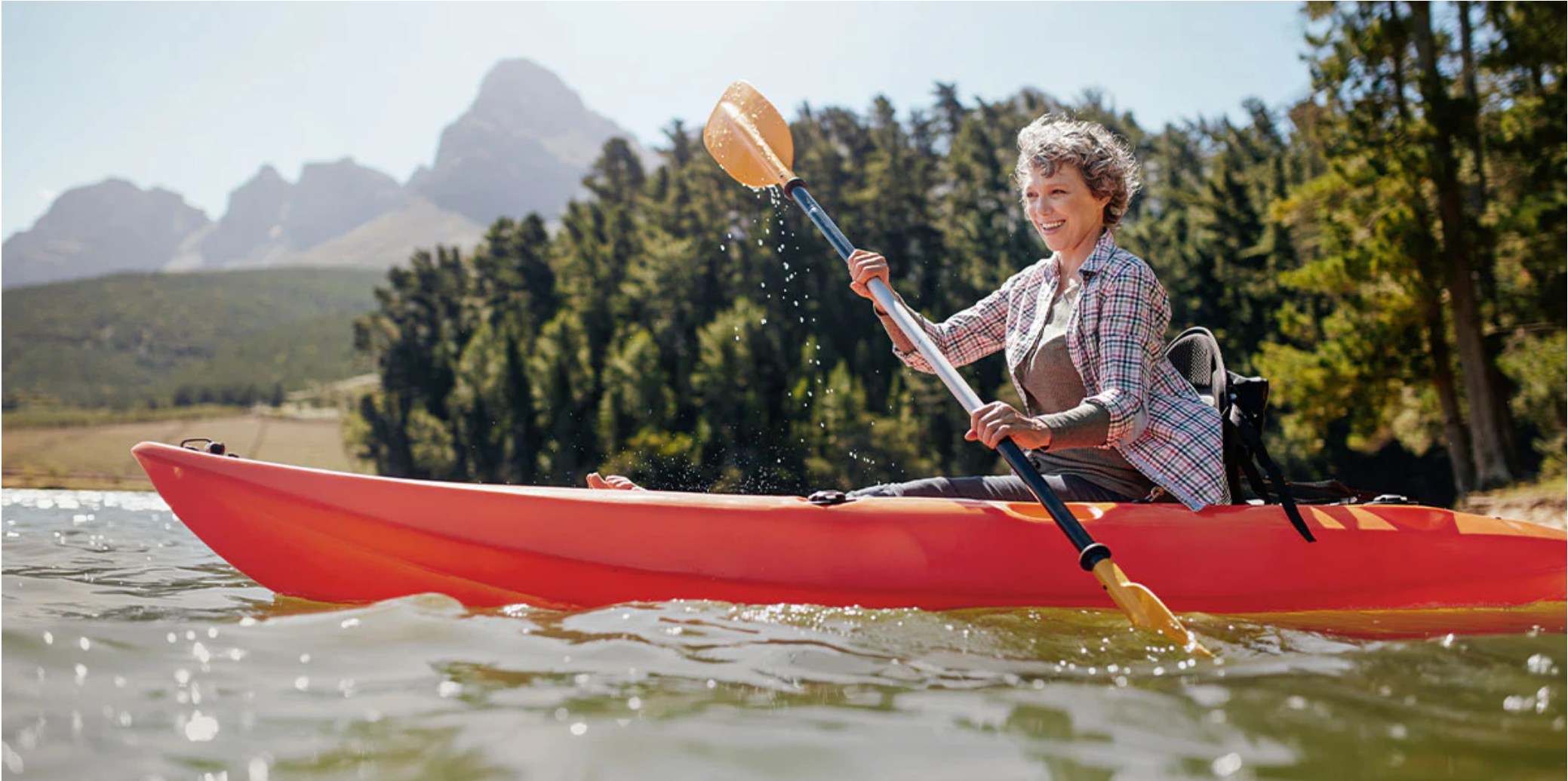
Swimming: Submerging your body in water is ideal for pitta body types because the water is cooling. Swimming is also monotonous and stress-relieving relieving which will only do you well.
In point of fact, exercising anywhere near water will be beneficial for pittas because of the cooling influence of water, so that might be running or walking near a stream, lake or river.
Just make sure you’re not attempting a beach volleyball game in the heat of the day – this is just going to make you hot and bothered and throw you out of balance. You’ll probably walk away with a splitting headache, as your liver will be working in overdrive. Pitta really need to avoid exercising in the blazing sun and high temperatures.
Highly competitive and very driven, you will also enjoy challenging sports like tennis, long-distance cycling, and mountain climbing.
Kapha
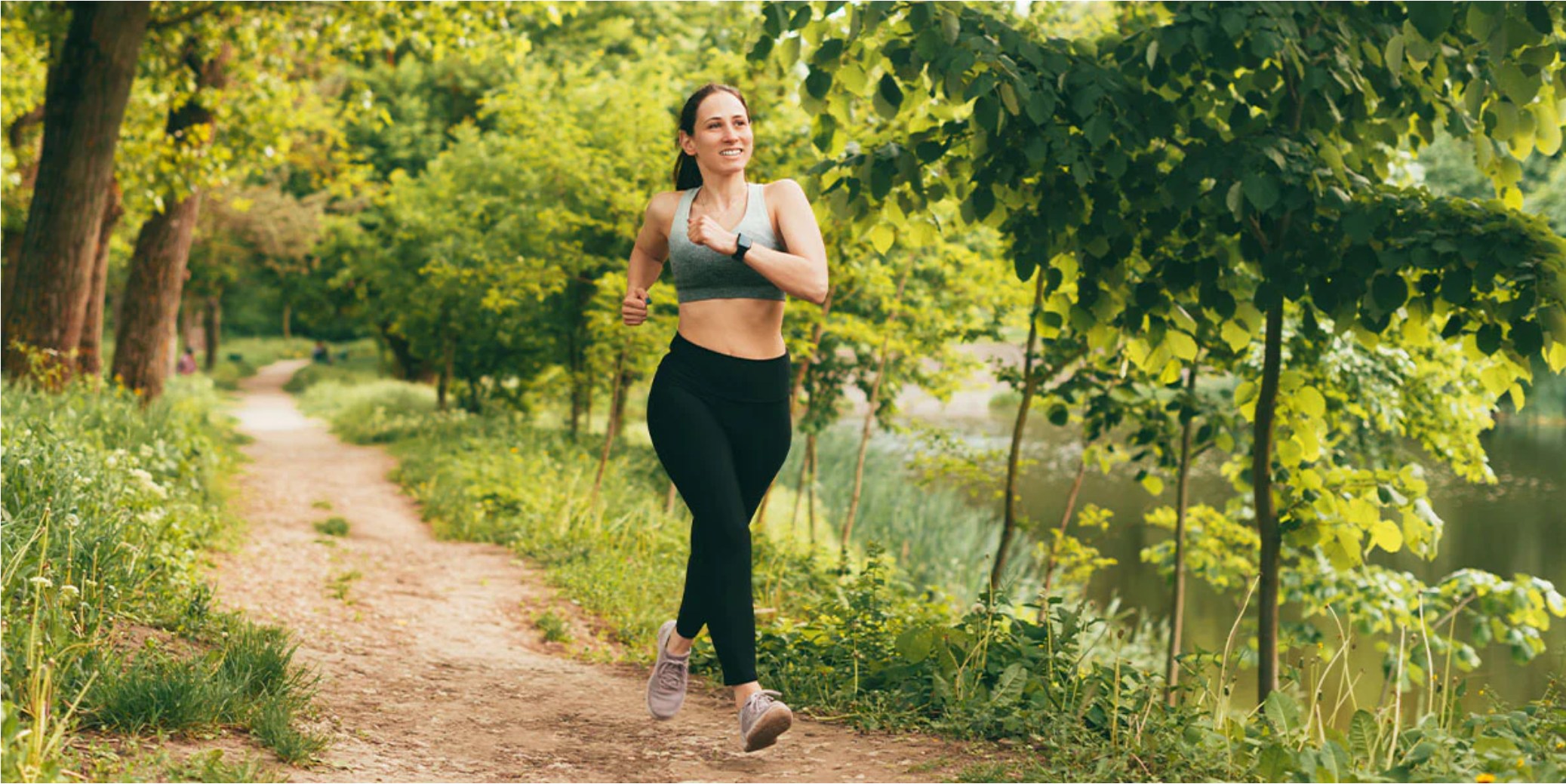
Kapha body types tend to have a heavy build, larger proportions and are strong and muscular. Because you have a slower metabolism, you might carry more fluid and weight.
You’ll have strong, steady energy and strength, but you may not enjoy exerting yourself – the thing you need to remember is the more you move, the better you’ll feel.
Kapha body types need more vigorous exercise, for a longer period of time, to have the same effect as milder exercise for a vata or pitta person. Regular exercise will help speed up your metabolism.
You want to make sure you’re doing activities that make you sweat – this will be powerful in moving and clearing the congestion and sluggishness that is typical for kaphas. Just try
to avoid cold, damp conditions, as this climate won’t be good for you.
Here are the best exercises for kapha dosha:
Long-distance running, racquetball, cycling, swimming, aerobics, soccer, rowing, dance and competitive sports will suit you well. For a kapha, it is really important to create variety as you adapt to exercise and routine quickly.
To feel really in balance when you exercise, try to incorporate more stimulation into your routine – get out there and exercise with a friend, as it’ll be more fun and they might motivate you to keep going.
To find out more about your specific dosha, you can take the Health Dynamics test or contact the clinic for a consultation on 07 32550671. Knowing your body is the first step to improving your health and living the life you want to lead.
|
|
|
Not all exercise is created equal, at least not for your body type. In Ayurveda, your unique constitution (dosha) determines the type of movement that energises rather than exhausts you.
If your workouts leave you feeling tired instead of recharged, you’re likely working against your nature. |
 Move the Way Nature Designed You To